


Body Color Swap
4.614.00 Reviews
App Specs
- Version
- 2.2.3
- Updated On
- License
- Free
- Downloads
- 1,000,000+
- Developer
- PSV Apps&Games
- Categories
- Adventure
- Platform
- Android, iOS
Screenshots
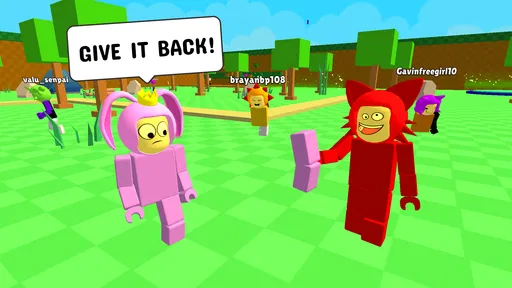
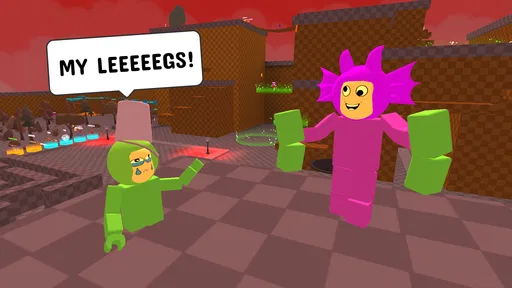




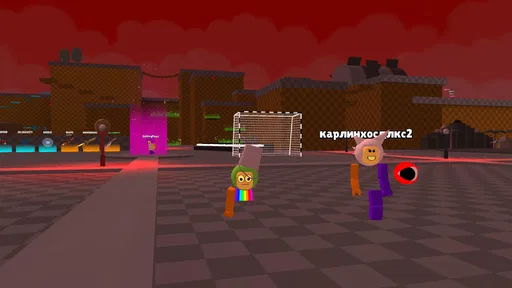
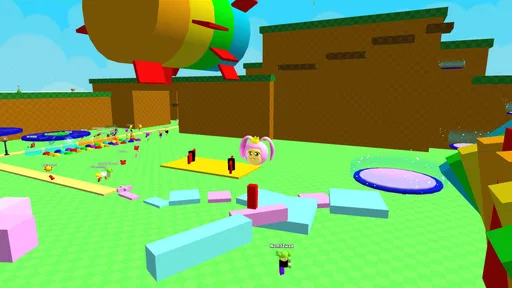
 Analysis by AppCompare
I spent time with Body Color Swap, an adventure game from PSV Apps&Games built around a wonderfully strange problem: characters have lost their body parts, and the solution is to help recover them through body swapping. That idea gives the game an immediately recognizable identity. It is not another conventional running game or a familiar match-three board with a new skin. Its appeal comes from learning how color and body-part changes affect the way you approach each challenge.
My first impression was that the concept is easy to understand but more interesting to play than the short store wording suggests. You are not simply collecting objects in a straight line. The central body-swap idea encourages you to look at the same situation differently, especially when a color change alters what you can do or where you can go. That makes it a natural fit for short sessions, casual puzzle fans, and anyone who enjoys games that explain themselves through play rather than long blocks of instructions.
How the body-swap idea works in practice
The most important thing to understand is that the game’s theme is also its main tool. The missing body parts are not just a story excuse; they give the adventure a clear purpose and make progress feel more personal than collecting anonymous points. Each time I approached a new obstacle, I found myself thinking less about speed and more about which form or color would make the next move possible.
That creates a useful rhythm. First, I looked at the immediate route and noticed what seemed blocked. Then I considered whether the current body color was the problem, whether a swap could change the situation, and whether moving too quickly would leave me in a worse position. This small planning step is what separates Body Color Swap from a purely reflex-based mobile game.
The controls and rules are approachable enough for an Everyone-rated game, but the concept still gives it room to test your attention. A younger player can enjoy the visual idea and the simple objective, while an older player may appreciate the need to pause and read the scene before acting. I would describe it as accessible rather than completely mindless.
One useful habit is to treat every body swap as a decision instead of an automatic reward. When I changed form just because the option was available, I sometimes lost the advantage I had built. Waiting a moment to understand the next section made the route clearer. That is a small but important tip, and it is the kind of lesson that becomes more valuable as the game stops feeling like a novelty.
A good fit for short, focused sessions
I found the game easiest to enjoy in short bursts. It works well when I have a few spare minutes and want something more engaging than scrolling, but I do not want to commit to a large role-playing game or a long narrative adventure. The body-swap mechanic gives even a brief session a clear mental task: identify the problem, choose the useful form, and recover another part of the character’s body.
Worth Reading Before You Choose

EA SPORTS FC Mobile 26 Is a Bigger Football Game, but It Takes Time

Flipboard Shows What News Apps Must Do Beyond the Feed

Switching to Android Auto Means Rethinking Your Driving Routine

Google Calendar Makes a Crowded Week Easier to Manage

Ludo King Makes the Most of the Minutes Between Plans

Baby Panda World Brings Quick Play to Modern Phones, but Its Game Library Feels Busy
That structure also makes it suitable for sharing a device with a child or introducing someone to mobile games. The premise can be explained quickly, and the visual connection between color and action is easier to grasp than a complicated inventory system. Parents should still remember that the game includes optional purchases, but the listed age rating is Everyone, which matches the light, broadly approachable presentation.
It is less suitable for someone seeking a deep story, extensive character development, or a large world to explore. The game’s strength is its focused central gimmick. If you want a long adventure with dialogue choices and a detailed plot, this will feel deliberately lightweight. I also would not choose it as my first option when I want competitive multiplayer or a demanding action challenge.
What makes the gameplay more thoughtful than it looks
The first non-obvious strength is how the color system encourages visual scanning. Instead of staring only at the character, I learned to read the whole play area for color relationships and possible routes. That changed my approach from “move until something happens” to “inspect the scene, then commit.” For players who usually rush through casual games, this is a good reason to slow down.
The second is the value of using failed attempts as information. A mistake is not always wasted time because it can reveal which body state does not work in a particular section. I started remembering the result of a swap and using that knowledge on the next attempt rather than repeating the same move. This makes the game a better fit for patient problem-solvers than for players who dislike trial and error.
The third is that the missing-body-part objective gives progress a stronger emotional hook than a generic score counter. Even without a complex storyline, I felt I was restoring something rather than merely clearing another stage. That distinction matters in a mobile game, where a small sense of purpose can be the difference between closing the app and playing one more round.
A practical approach is to divide each challenge into three questions. What is preventing progress right now? Which color or body state might address that barrier? And after changing, what new limitation could appear? Thinking in that order helped me avoid swaps that solved the immediate obstacle but created a harder problem a few steps later.
Cost, value, and the compromises behind the free download
Body Color Swap is free to download, so the initial decision is straightforward: you can try the central mechanic without paying an entry fee. The game also offers optional in-app purchases ranging from $0.99 to $12.99 per item. That means the free starting point is useful for testing whether the body-swap concept actually suits you before spending anything.
I consider that an important advantage because the game’s appeal depends heavily on personal taste. Some players will immediately enjoy the color-based thinking, while others may find the premise too simple. A free first look lets you make that judgment through play rather than relying on screenshots or a short description.
The paid-value question needs a little more care. The listed purchase range tells me the game has optional items at different price levels, but it does not by itself prove that buying them is necessary for enjoyment or that every purchase offers the same kind of benefit. I would therefore approach spending gradually. Play enough to decide whether the core loop holds your attention, then consider a purchase only if it solves a specific frustration or adds something you genuinely want.
This is also where the game compares favorably with many traditional adventure alternatives. A premium adventure often asks for payment before you know whether its controls, pacing, and visual style work for you. Here, the free access lowers that risk. On the other hand, players who prefer a single upfront purchase and no optional spending may feel more comfortable with a paid game that makes its cost clear from the beginning.
The current version is 2.2.3, and the game supports devices running Android 7.0 or newer. That makes checking your device compatibility a sensible first step, especially if you are using older hardware. I would not treat a compatible operating system as a guarantee of identical performance on every phone, but it does give Android users a clear baseline before installing.
The game has reached over a million installs and holds a 4.6 average from around 2.9 thousand ratings. Those figures suggest that the concept has found a substantial audience, although they should not replace your own test of the controls. The number of written reviews is much smaller than the number of ratings, so I would read the overall score as a broad signal of satisfaction rather than a detailed technical report.
Where the value is strongest
The best value comes from the combination of low entry cost and a mechanic that is easy to explain but offers room for observation. I can imagine opening it while waiting for an appointment, playing through a few challenges, and putting it away without losing the thread. It does not demand the time investment of a large adventure, yet it gives me more to think about than a purely repetitive tap-and-score game.
It also has value as a shared, low-pressure game. If a friend or family member is curious, I can hand over the device and explain the body-swap goal quickly. Watching someone else solve a section can be enjoyable too, because the correct move is not always obvious from the first glance. That makes it more social in the room than many single-player mobile games, even though it is not a multiplayer experience.
Another strength is the way the game rewards deliberate play without requiring specialist knowledge. I did not need to understand a complicated genre vocabulary or memorize a large set of systems. The useful skill is simply noticing relationships between color, form, and access. That keeps the learning curve friendly while still giving experienced puzzle players something to optimize.
Where the value becomes less convincing
The same focused design can become a limitation. Once you understand the central trick, your enjoyment depends on how much variety the individual situations provide. Players who need constant new mechanics may eventually find the body-swap structure predictable. I would not recommend it to someone who quickly abandons games after mastering one main idea.
Optional purchases can also change how different players judge the experience. Someone comfortable with free-to-play games may see them as a normal way to support continued play. Someone who dislikes any purchase prompts may find the model distracting even when the download itself costs nothing. Because the price range covers several item levels, I would keep a personal spending limit and avoid buying simply to get past a moment of impatience.
There is also a trade-off between accessibility and depth. The Everyone rating and clear premise make the game approachable, but that same simplicity may not satisfy players looking for intricate adventure systems. In my view, that is not a flaw in isolation; it is a question of matching expectations. Body Color Swap works best when you want a compact idea executed through repeated visual decisions, not when you want a broad simulation of exploration.
Who should try it, and who should choose something else
I would recommend it to casual adventure players who enjoy visual puzzles, color-based mechanics, and games that can be learned quickly. It is particularly appealing if you like examining a problem before making a move. The missing-body-part objective adds enough personality to make the sessions feel purposeful, while the body-swap system provides the actual reason to keep playing.
It is also a sensible choice for families looking for an approachable game to try together. The premise is easy to describe, the age rating is Everyone, and the central decisions can lead to useful conversations about planning and consequences. I would still supervise purchases on a shared device, because free access does not mean every optional item is free.
Players who prefer fast reflexes may enjoy it only if they are willing to adapt. The game’s most interesting moments come from reading the situation, not from tapping as quickly as possible. Likewise, fans of story-heavy adventures should lower their expectations. The recovery goal gives the game a theme, but I would choose a narrative-focused alternative when character relationships, dialogue, and world-building are my priority.
For someone with an older Android phone, the minimum requirement of Android 7.0 is useful information, but I would still leave storage and general device condition in mind before installing. For someone using a newer device, the more important question is not compatibility but tolerance for the game’s focused loop and optional purchase model.
My strongest recommendation is to use the free access as a genuine trial rather than assuming you must eventually pay. Play until you have seen whether you enjoy planning swaps, learning from failed choices, and restoring the character’s missing parts. If those actions feel satisfying, the game has already delivered its main value before any purchase is considered.
My verdict after weighing the trade-offs
Body Color Swap is a distinctive little adventure game with a clear identity. PSV Apps&Games has centered the experience on a premise that is unusual enough to stand out, but simple enough for new players to understand quickly. I liked that the color and body-swap idea is not merely decorative; it shapes how I inspect obstacles, plan routes, and respond to mistakes.
The free download makes it easy to recommend as a low-risk experiment, while the optional items mean I would be thoughtful about spending rather than treating every purchase as automatically worthwhile. Its 4.6 average and broad install reach indicate that many players have responded well to it, but the game remains a matter of taste. Its compact focus is a strength for short sessions and a weakness for anyone seeking a large, constantly changing adventure.
My buy-or-skip verdict is simple: try it if you want a free, approachable adventure built around visual problem-solving, and skip it if you need deep storytelling, multiplayer competition, or a clearly defined one-time purchase. I would recommend installing it for a few relaxed sessions, especially when you want a game that rewards looking carefully instead of rushing. If the act of choosing the right body color feels satisfying, this unusual premise has enough practical gameplay behind it to earn a place in your casual rotation.
Pros
- Quickly changes hair
- eye
- clothing
- and body colors in photos.
- Simple controls make basic edits accessible to beginners.
- Useful for testing different looks before making real changes.
- Works well for creative selfies
- profile pictures
- and social posts.
- Color adjustments can produce fun and eye-catching visual effects.
Cons
- Results may look unnatural when edges or complex details are selected.
- Some features or effects may require in-app purchases.
- Editing quality depends heavily on the original photo's lighting.
- Fine adjustments can be difficult on smaller phone screens.
- Privacy details should be checked before uploading personal photos.
FAQs for Body Color Swap
What is Body Color Swap and how does it work?
Body Color Swap is an image-editing app designed to change or enhance colors in photos, particularly clothing, skin tones, and other visible areas of the body. After importing a picture, you can select the area you want to modify and apply a different color or adjustment. Results depend on image quality, lighting, and how accurately the editing tools follow the selected area.
Is Body Color Swap suitable for beginners?
Yes, Body Color Swap is generally aimed at casual users who want to make quick visual changes without learning complex professional editing software. Its main appeal is the straightforward color-adjustment process, although achieving a natural result may require patience with selection, brush, or intensity controls. Beginners should experiment on a copy of the original image before saving the final version.
Does Body Color Swap produce realistic-looking results?
The app can create convincing results when the original photo has good lighting, clear contrast, and an unobstructed subject. However, color replacement may look uneven around hair, shadows, skin details, or overlapping objects. The most realistic edits usually require adjusting opacity, brightness, and saturation rather than applying a strong color effect at maximum intensity.
Is Body Color Swap free to download and use?
Availability of features may depend on the version of Body Color Swap installed and the platform where it is downloaded. Some functions may be free, while advanced tools, additional color options, or an ad-free experience can require in-app purchases or a subscription. Before confirming a purchase, check the store listing for current pricing, trial terms, and cancellation conditions.
Does Body Color Swap protect my photos and personal information?
Before editing private or sensitive images, review the app’s privacy policy and the permissions requested during installation. Some editing may happen directly on the device, while other versions can use online processing or request access to your photo library. Only grant the permissions necessary for the features you intend to use, and avoid uploading images containing confidential information unless you trust the service.


